How Solopreneurs Build Predictable Pipelines While Freelancers Chase Gigs
Most freelancers believe they have a lead problem. Solopreneurs understand they have a pipeline problem. The difference between those two mindsets determines whether someone experiences feast‑and‑famine cycles or consistent, predictable revenue. In 2026, the independent workforce is larger than ever, with more than 70 million Americans participating in freelance or independent work in some capacity (MBO Partners). Yet despite this growth, most freelancers still struggle with inconsistent income, unpredictable demand, and the constant pressure of finding the next client.
Solopreneurs do not rely on luck. They rely on systems.
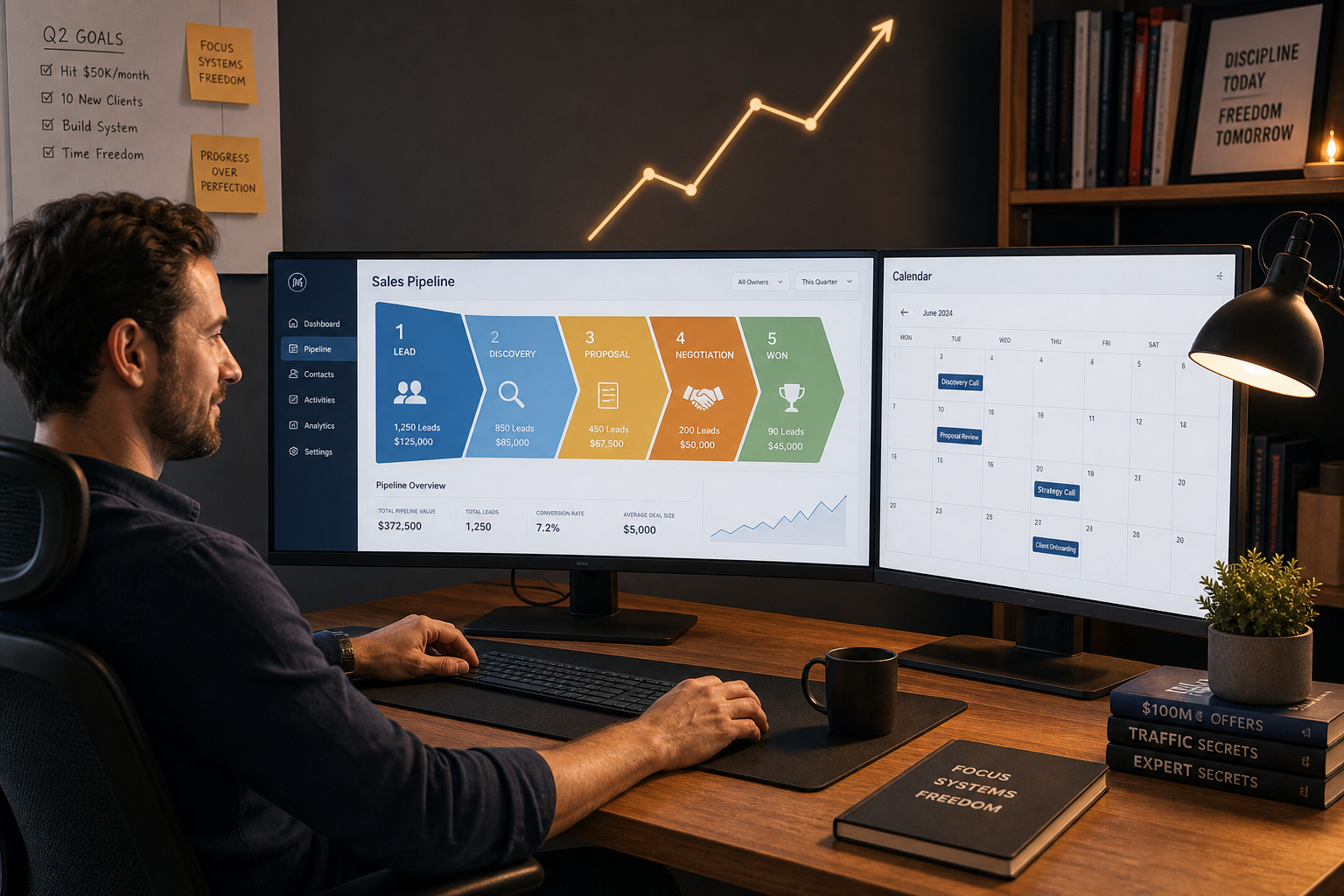
A predictable pipeline is the single most important asset an independent worker can build. It is the engine that attracts, qualifies, converts, delivers, and retains clients. Freelancers who operate without a pipeline are forced into reactive behavior. They wait for referrals, hope for inbound interest, or depend on platforms that control visibility and pricing. Solopreneurs engineer their own demand.
The Pipeline Advantage
A predictable pipeline is not a marketing tactic. It is a business infrastructure. It creates stability, reduces stress, and increases revenue. It also separates high‑earning independents from those who struggle. According to multiple industry reports, independents who diversify their lead sources and use structured sales processes earn significantly more than those who rely on a single channel (Upwork Freelance Forward).
The pipeline advantage comes from consistency. When a solopreneur builds a system that attracts prospects every week, qualifies them automatically, and converts them through a clear offer, their income becomes less dependent on external factors. They no longer rely on platforms, algorithms, or chance. They rely on a repeatable process.
Attraction That Compounds
Freelancers often treat marketing as an occasional activity. They post when they feel inspired, reach out when they need work, or update their portfolio when they remember. Solopreneurs treat attraction as a continuous system. They create content that speaks directly to their niche, build partnerships that expand their reach, and use targeted outreach that brings in qualified prospects.
This approach compounds over time. A single piece of content can generate leads for months. A partnership can create recurring referrals. A well‑structured outreach system can bring in new conversations every week. The key is consistency. Solopreneurs do not wait for visibility. They manufacture it.
Qualification That Filters Instead of Chasing
One of the biggest differences between freelancers and solopreneurs is how they handle qualification. Freelancers often talk to anyone who shows interest. Solopreneurs filter aggressively. They use forms, criteria, and simple screening questions to ensure they only speak with prospects who match their ideal client profile.
This matters because qualification protects time. High‑earning independents consistently report that they spend less time on sales conversations and more time on delivery (MBO Partners). They achieve this by eliminating low‑fit prospects early. A predictable pipeline is not just about attracting leads. It is about attracting the right leads.
Conversion That Feels Natural Instead of Forced
Freelancers often struggle with proposals, pricing, and negotiation. Solopreneurs simplify conversion by productizing their services. A productized offer has a clear scope, a clear timeline, and a clear price. Clients understand exactly what they are buying, which reduces friction and increases conversion rates.
Industry data shows that independents who use productized offers close deals faster and at higher rates (Upwork Freelance Forward). This is because clarity builds trust. When a prospect sees a well‑defined offer, they feel confident in the outcome. Solopreneurs remove ambiguity, and ambiguity is the enemy of conversion.
Delivery That Scales Without Chaos
Freelancers often reinvent their process for every client. Solopreneurs use standardized workflows. They create templates, checklists, and automation that reduce the cognitive load of delivery. This allows them to take on more clients without sacrificing quality.
Structured delivery also improves client satisfaction. According to global labor research, independent workers who use standardized systems report higher client retention and more repeat business (OECD). A predictable pipeline is not only about getting clients. It is about keeping them.
Retention That Builds Stability Instead of Starting Over
Retention is the most overlooked part of the pipeline. Freelancers often treat every project as a one‑off engagement. Solopreneurs design retention pathways. They offer maintenance plans, ongoing support, or recurring services that create stable monthly revenue.
This is where predictable pipelines become powerful. When a solopreneur retains even a small percentage of clients each month, their income becomes increasingly stable. They no longer start from zero. They build on a foundation.
Why Freelancers Chase Gigs While Solopreneurs Build Systems
Freelancers chase gigs because they operate without structure. Solopreneurs build systems because they operate like businesses. The difference is not talent. It is architecture. A predictable pipeline is the architecture that transforms independent work from inconsistent to reliable.
The freelance economy is expanding, but the winners are not the ones who hustle the hardest. They are the ones who build the strongest systems. In 2026, the independents who thrive will be those who treat their pipeline as a core business asset. Freelancers chase opportunities. Solopreneurs create them.