
Breaking 100K: What High‑Earning Solopreneurs Do Differently
Crossing the 100K mark as an independent worker is not about luck or timing. It is about structure. The number of independents earning six figures has grown steadily over the past decade, with millions now reporting annual incomes above 100K (MBO Partners). This growth is not evenly distributed. It is concentrated among solopreneurs who operate with clarity, systems, and strategic positioning. High‑earning independents are not simply more talented. They are more intentional.
The freelance economy rewards those who understand how to create leverage. Traditional freelancers often rely on hourly billing, inconsistent lead flow, and reactive work habits. Solopreneurs build predictable pipelines, productized offers, and repeatable delivery systems. These elements create stability, reduce friction, and increase earning potential. The difference between earning 40K and earning 100K is rarely about skill. It is about architecture.
Positioning That Commands Value
High‑earning solopreneurs position themselves around outcomes instead of tasks. They do not sell design, writing, consulting, or development. They sell transformation. They sell clarity. They sell measurable results. This shift in positioning increases perceived value and allows them to charge premium rates.
Industry research consistently shows that specialists earn more than generalists (Upwork Freelance Forward). When a solopreneur defines a clear niche, they become easier to find, easier to trust, and easier to hire. Clients are not looking for someone who can do everything. They are looking for someone who can solve a specific problem. High earners lean into that specificity.
Positioning also reduces competition. A generalist competes with thousands. A specialist competes with dozens. This reduction in competition increases pricing power and decreases the need for negotiation. High earners do not justify their rates. Their positioning does it for them.
Pricing That Reflects Outcomes Instead of Hours
Hourly billing is one of the biggest barriers to earning 100K as an independent. It caps income, encourages micromanagement, and ties value to time instead of results. High‑earning solopreneurs use value‑based or project‑based pricing. They charge for the outcome, not the effort.
This approach aligns incentives. Clients want results, not hours. Solopreneurs want efficiency, not time inflation. When pricing is tied to outcomes, both parties win. Research on independent work consistently shows that project‑based pricing leads to higher earnings and higher client satisfaction (MBO Partners).
Value‑based pricing also allows solopreneurs to scale. When income is not tied to hours, they can increase revenue without increasing workload. This is one of the core reasons high earners break past the 100K threshold. They detach time from value.
Pipelines That Create Predictability
High‑earning solopreneurs do not rely on referrals or luck. They build predictable pipelines that generate consistent demand. A predictable pipeline includes attraction, qualification, conversion, delivery, and retention. Each stage is intentional. Each stage is measurable.
Solopreneurs who earn 100K or more typically have multiple lead sources. They use content, partnerships, outreach, and audience building to create a steady flow of prospects (Upwork Freelance Forward). They do not wait for opportunities. They create them.
Qualification is also a key factor. High earners filter aggressively. They do not waste time on low‑fit prospects. They use forms, criteria, and structured discovery calls to ensure they only speak with clients who match their ideal profile. This increases conversion rates and reduces time spent on sales.
Productized Offers That Increase Sales Velocity
Productized services are one of the most powerful tools for breaking 100K. A productized offer has a defined scope, timeline, and price. It removes ambiguity and accelerates decision‑making. Clients understand exactly what they are buying, which reduces friction and increases trust.
High earners often have two or three core productized offers. These offers create consistency in delivery and consistency in revenue. They also reduce cognitive load. Instead of reinventing the process for every client, solopreneurs follow a proven framework.
Productization also improves margins. When delivery is standardized, efficiency increases. High earners often report working fewer hours while earning more (OECD). This is the result of repeatable systems, not increased effort.
Delivery Systems That Scale Without Burnout
Breaking 100K requires more than strong sales. It requires strong delivery. High‑earning solopreneurs use templates, workflows, automation, and standardized processes to reduce complexity. They create systems that allow them to deliver high‑quality work consistently without burning out.
Structured delivery also improves client satisfaction. When clients experience clarity, consistency, and professionalism, they are more likely to return. Retention is one of the most important factors in reaching six figures. Repeat business reduces acquisition costs and increases lifetime value (MBO Partners).
High earners also understand the importance of boundaries. They set clear communication expectations, defined timelines, and structured feedback loops. This reduces stress and increases efficiency.
Retention That Builds Stability Instead of Starting Over
Retention is the quiet engine behind six‑figure solopreneurship. Freelancers often treat every project as a one‑off engagement. High earners design retention pathways. They offer ongoing support, maintenance plans, or recurring services that create stable monthly revenue.
This stability is what allows solopreneurs to scale. When a portion of income is predictable, they can focus on growth instead of survival. Retention also strengthens relationships, which leads to referrals and long‑term partnerships.
The Real Reason Solopreneurs Break 100K
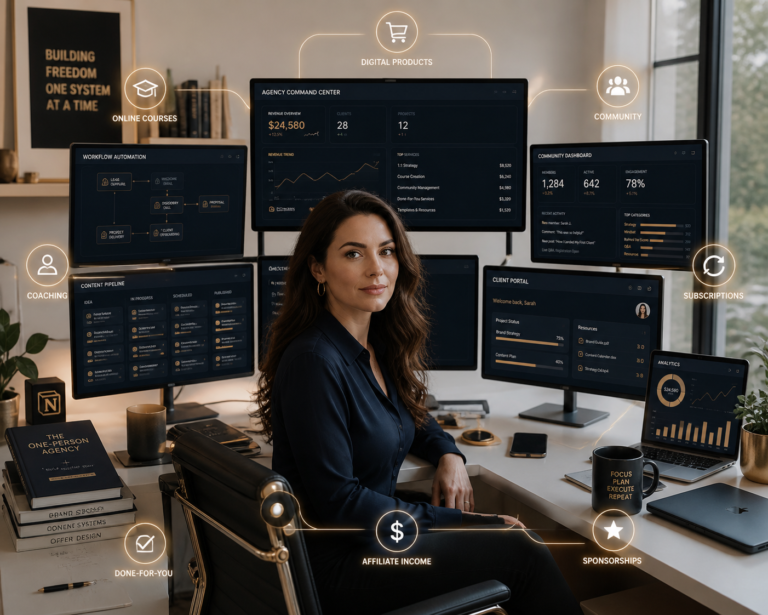
The real reason high‑earning solopreneurs break 100K is simple. They operate like businesses. They build systems. They create clarity. They engineer demand. They standardize delivery. They retain clients. They treat independent work as a structured enterprise instead of a series of gigs.
Skill matters, but structure matters more. The solopreneurs who reach six figures are not the ones who hustle the hardest. They are the ones who build the strongest systems. In 2026, the path to 100K is not about working more. It is about working intentionally.